

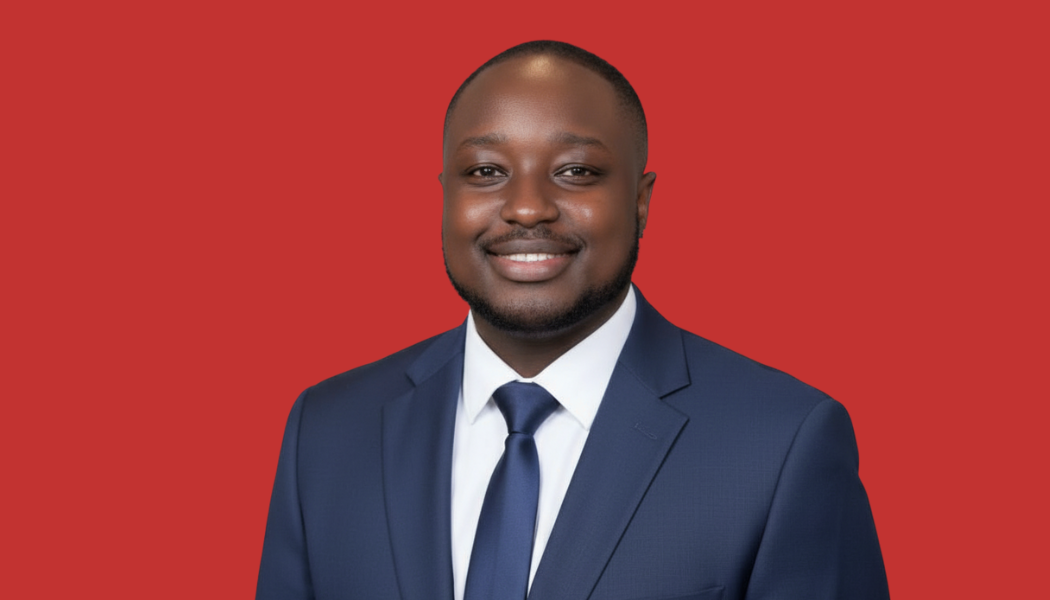
Bridge Africa Technologies has confirmed the appointment of Mr. Tope Aduloju as one of the judges for the BAT Hackathon 2023, a decision that strengthens confidence across the developer community, cloud engineering circles, and the broader African tech ecosystem. His selection signals the level of technical depth, practical insight, and steady leadership that participants can expect as they prepare to submit solutions for one of the continent’s most respected innovation challenges. This year’s edition is centred on building reliable systems, improving operational intelligence, and exploring new ways to use technology to solve real business and societal problems. Bringing Tope into the judging panel is a strategic step that aligns perfectly with that mission.
Tope stands out in the African engineering community as a Cloud DevOps Engineer whose work consistently balances technical excellence with grounded operational thinking. He is known for helping organisations move to the cloud with clarity, confidence, and measurable outcomes, turning fragile systems into predictable environments where performance, resilience, and cost discipline are normal expectations. At Toju Africa, he has spent several years building, automating, and stabilising cloud environments for clients, particularly on AWS, where he leads or supports major migrations, performance tuning initiatives, and infrastructure optimisations. His peers describe him as someone who makes complex systems feel understandable, not because they are simple, but because he approaches them with structure and patience.
What gives his profile its weight is the blend of hands on engineering, systems thinking, and research driven analysis that defines his work. Everything he does sits on a foundation built during his studies in Building Technology at the Federal University of Technology Akure, a discipline that trained him to think in terms of structure, load, durability, and long term reliability. That perspective now shapes the way he designs digital systems. He pays attention to foundations, not just features. He plans for failure before it happens. He treats digital infrastructure like architecture with rules, constraints, and responsibilities. This is why organisations trust him with their cloud lifecycles and why BAT sees him as a fit for this year’s judging panel.
His career journey at Toju Africa illustrates that mindset clearly. There, he designs cloud architectures, automates deployments, and strengthens reliability for distributed systems. His work often starts with stabilising what exists, then gradually introducing automated provisioning, continuous integration pipelines, and performance monitoring. Over time, his approach has reduced manual configurations, tightened security boundaries, and lowered cloud expenditure for organisations that need to scale responsibly. He has used tools such as Terraform, CloudFormation, Jenkins, Kubernetes, GitHub Actions, and a wide range of monitoring solutions to achieve consistent, predictable results. He collaborates with development teams, product managers, analysts, security specialists, and business leaders, translating technical needs into plans that everyone can understand and follow. His effectiveness comes from the way he moves between details and strategy without losing his balance.
This blend of practical engineering experience and structured analysis makes him a valuable voice for the BAT Hackathon 2023. His appointment is tied directly to three judge categories where he brings both depth and clarity.
The first category is Cloud Infrastructure and DevOps Innovation. This year, BAT expects to see cloud native architectures, infrastructure as code solutions, automated deployment workflows, reliability engineering concepts, and operational efficiency tools. Tope has built all these elements into his daily work at Toju Africa. His understanding of automation allows him to identify when a solution is genuinely improving speed and stability rather than adding unnecessary complexity. His background in system reliability helps him evaluate whether a proposed idea can survive real world load, latency, and failure conditions. His experience with cost optimisation gives him the insight to determine if teams have balanced performance with financial responsibility. In short, he brings a builder’s eye and an operator’s caution to a category that requires both.
The second category is Cybersecurity, Governance, and Systems Resilience. This is where Tope’s research work plays an important role. His publications explore AI based threat detection for cloud ecosystems, cyber resilient architectures for critical infrastructure, and governance frameworks designed for compliance heavy industries. He has contributed to models that assess operational stability, detect anomalies in billing pipelines, strengthen identity and access systems, and handle cross border data regulations. These ideas matter because the African technology landscape is becoming more complex. Organisations now operate sensitive systems across borders, industries face tighter regulations, and cyber threats are increasing in speed and sophistication. A judge who understands both the engineering and policy dimensions of security helps teams build solutions that are realistic, not speculative. Tope’s experience allows him to scrutinise solutions for risk exposure, trustworthiness, and resilience, while still encouraging innovation.
The third category is Data Platforms and Intelligent Systems Optimisation. Tope has researched predictive monitoring for data lakes, medallion architecture models for anomaly detection, real time analytics governance, and digital twins for smart grid forecasting. These contributions show a deep understanding of how data ecosystems should operate. He recognises the importance of structure in analytics pipelines, the need for transparency in automated decisions, and the value of real time insights in sectors such as manufacturing, healthcare, and energy. For the BAT Hackathon, this means he can evaluate data driven ideas with a clear sense of what makes them reliable, scalable, and operationally useful. He is well positioned to examine whether a team’s architecture supports the claims it makes, whether the data flow matches the business value promised, and whether the intelligence layer is grounded in accurate assumptions rather than optimistic predictions.
His body of research strengthens all three categories. Across journals and technical publications, Tope has explored predictive models for monitoring infrastructure, anomaly detection systems that improve transparency in billing, frameworks for governance in real time analytics, and strategies for safeguarding public sector digital infrastructure. His work on AI based threat detection, compliance centric architecture, blockchain supported governance, and digital twins reflects a consistent interest in how complex systems behave under pressure. These publications show that he does not only build systems. He studies them. He analyses their weaknesses. He asks how they can be governed, secured, and improved. This analytical depth is what BAT looks for in judges who must review solutions that claim to solve serious technological and societal problems.
His educational background continues to influence his thinking. Studying Building Technology trained him to design with intention, not improvisation. He learned that a structure is only as strong as its foundation and its weakest joints. This idea follows him into cloud environments, where he evaluates systems based on their long term reliability, not their short term appeal. He pays attention to constraints, load paths, dependencies, and failure patterns. It is a perspective that aligns closely with how BAT wants participants to think. Innovation is important, but sustainability, stability, and resilience matter even more when technology must serve diverse communities across Africa.
Tope’s appointment as a judge also aligns naturally with the mission of Bridge Africa Technologies. BAT’s hackathon culture is built on the belief that Africa does not lack talent, only the right conditions to express that talent in ways that shape industries and deliver practical solutions. The organisation values systems that work in real environments, ideas grounded in feasibility, and innovations that can scale across markets, sectors, and borders. In Tope, BAT has selected someone who understands these priorities intimately. His work has always balanced ambition with discipline. He seeks clarity rather than noise. He focuses on reliability rather than theatrics. This is the kind of perspective that encourages participants to think beyond prototypes and build solutions that endure.
For the African tech ecosystem, his presence sends another message. It shows that BAT is serious about both depth and diversity on its judging panel. They are looking for judges who understand not only technology but the environments where that technology must operate. They want voices that recognise the challenges that African innovators face and the opportunities that are opening up across cloud computing, infrastructure optimisation, cybersecurity, data intelligence, and automation. Tope’s work across cloud engineering, distributed systems, analytics governance, and resilience research reflects the kinds of skills that Africa needs as it continues to build its digital future.
With this announcement, BAT invites developers, startups, founders, engineers, analysts, students, and emerging innovators across Africa to submit their best ideas to the BAT Hackathon 2023. The panel, strengthened by professionals like Tope Aduloju, is prepared to assess solutions with fairness, rigour, and a genuine interest in seeing great ideas turn into real impact. Participants should expect thoughtful evaluation from judges who understand both the technical and strategic dimensions of modern systems. They should also expect guidance, clarity, and useful feedback from experts who have seen what it takes to build stable, resilient, and scalable solutions.
The call is open. Teams across the continent now have an opportunity to demonstrate the kind of creativity, discipline, and deep thinking that the BAT Hackathon is known for. With judges like Tope on the panel, this year’s edition promises to be one of the most insightful and impactful yet.