
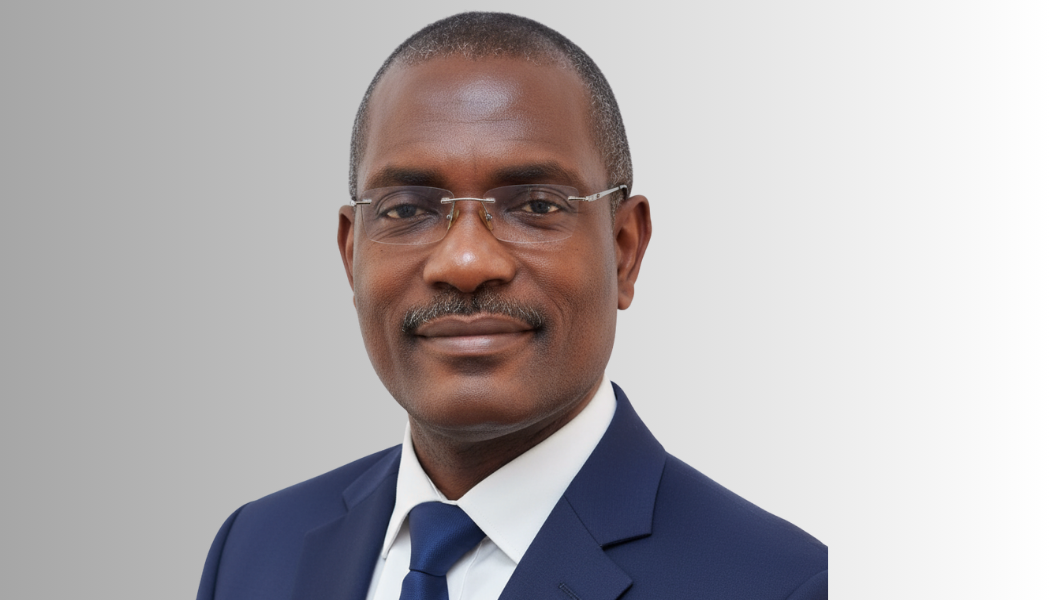
Bridge Africa Technologies announces the appointment of seasoned finance and business professional, Micheal Olumuyiwa Adesuyi, as one of the judges for the BAT Hackathon 2022. His long career in banking, credit risk, internal control, and audit positions him as a strong voice in evaluating solutions that aim to reshape financial and operational innovation across Africa.
A Thoughtful Appointment for a Serious Innovation Agenda
Bridge Africa Technologies is preparing for another edition of the BAT Hackathon, an annual innovation programme that encourages fresh thinking around financial systems, operational efficiency, and digital transformation. Each year, the hackathon brings together emerging innovators, young engineers, and product thinkers who want to design tools that can improve the way businesses and institutions operate.
For 2022, the organisers have taken a deliberate step in selecting judges who understand not only technology, but the deeper organisational realities that shape performance. MichealOlumuyiwa Adesuyi fits this expectation naturally. His appointment signals a commitment to rigorous evaluation, practical thinking, and a clear understanding of what it takes to build solutions that work in real financial environments.
His presence on the judging panel will be especially valuable to teams working on projects that touch on risk management, compliance, internal control, lending processes, workflow integrity, and customer experience improvement. With more than twenty years of hands-on experience across these areas, he joins the panel as someone who has lived inside the systems many participants aim to improve.
A Career Built Inside Complex Financial Systems
Micheal has built a career that reflects deep exposure to the inner workings of one of Africa’s leading financial institutions. His journey started in branch operations and customer service, a foundation that gave him early insight into how customers experience financial products, how service gaps appear, and how frontline decisions shape the reputation and trustworthiness of an institution.
From these early roles, he moved into credit and marketing audit, a transition that placed him closer to the risk engine of banking. It was here that he began reviewing risk assets, assessing customer security, and examining the decision framework behind lending. This period strengthened his understanding of how credit decisions affect profitability, portfolio stability, and long term customer relationships.
His transition into internal audit expanded his system level thinking. He was no longer just reviewing individual credit files or customer touchpoints; he was assessing entire processes. His audit reports identified gaps in internal control, lapses in compliance, and areas where operational or financial risk could escalate if not addressed promptly. He became known for producing clear, practical findings that management could act on immediately.
These roles set the foundation for Micheal’s leadership journey. As he grew into Head of Audit and Compliance and later Head of Corporate Loan Processing and Collateral Management, he took responsibility for guiding teams, shaping internal practices, and strengthening governance. His work allowed him to understand how strategy, policy, risk, operations, technology, and people intersect to either support or weaken an institution.
By the time he reached these leadership positions, he had reviewed internal processes across multiple business units, worked closely with credit teams to improve lending practices, and contributed to major improvements in compliance levels. His experience at this stage demonstrates a rare combination of operational understanding, governance competence, and financial insight.
Strengthening Credit Decisions, Risk Culture and Internal Control
Micheal’s career has been defined by the consistent improvement of financial systems. His roles involved examining the quality of loan portfolios, identifying weaknesses in lending operations, and ensuring that credit decisions were rooted in sound principles. He helped institutions strengthen their risk awareness, refine compliance processes, and reduce exposures that could damage long term performance.
His insights have contributed to better sales forecasts, more accurate risk assessments, and stronger internal control frameworks. He has also guided staff to improve the accuracy of documentation, the clarity of reporting, and the discipline required to maintain reliable financial processes.
Whether he was reviewing the completeness of credit documents, monitoring branch compliance, or evaluating the readiness of a unit for internal review, his approach was always centered on clarity, integrity, and the practical steps required to minimise error.
This track record is part of what makes him a strong addition to the BAT Hackathon 2022 judging team. He has seen where financial and operational systems fail, where gaps in compliance create risk, and where customer experience issues affect service quality. These insights will help him evaluate new ideas with depth and realism.
Academic Depth and Professional Standards
Micheal’s understanding of finance and operations is strengthened by a solid academic foundation. His Executive Master in Innovation and Entrepreneurship from Rome Business School have shaped how he analyses global business challenges and modern models for innovation.
His MBA in Management, bachelor’s degree in Entrepreneurial and Business Management, and Higher National Diploma in Accountancy reflect a long standing commitment to studying organisations and the forces that shape their success. As a Chartered Accountant, he also maintains professional discipline and adheres to standards that guide effective financial judgment.
This blend of academic and professional training gives him a useful lens for assessing innovation. He understands how new tools fit into larger business systems, how technology affects processes, and how financial realities determine whether an idea can scale.
Why He Is a Natural Fit for BAT Hackathon 2022
Micheal’s role as a judge falls into three key areas within the hackathon. Each category aligns directly with the work he has done throughout his career up to 2022.
1. Financial Risk Management and Credit Assessment Innovation
His background in credit and marketing audit, risk asset evaluation, and customer security assessment provides a strong basis for evaluating solutions aimed at improving credit decisions. He understands how poor documentation, weak risk analysis, and inefficient processes can damage a portfolio.
Participants building credit scoring tools, risk assessment platforms, automated lending workflows, or decision support systems will benefit from his perspective. He has improved credit reliability in real institutions, guided teams to strengthen their risk culture, and contributed to decision frameworks that reduce exposure. His evaluation will be grounded in practicality, not abstraction.
2. Internal Controls, Compliance Systems and Process Integrity Solutions
Micheal’s internal audit experience places him in a strong position to assess tools designed for process automation, compliance monitoring, workflow analysis, or fraud detection. He has reviewed internal processes across departments, conducted compliance checks, and produced audit reports that improved governance.
This experience gives him a clear sense of what breaks inside organisations and what kind of technology can help fix it. Participants who build solutions that streamline internal processes or strengthen organisational discipline can expect sharp, insightful evaluation from him.
3. Banking Operations, Customer Experience Systems, and Service Efficiency Innovation
His early career in branch operations taught him how customers interact with banking systems. He understands the everyday challenges around service delivery, retention, operational workflow, and customer satisfaction.
This makes him a valuable judge for products focused on customer experience, branch operations improvement, service automation, or digital channels. He will be able to identify solutions that genuinely address root problems rather than just present attractive interfaces.
What His Presence Means for Participants
Innovation is not only about building technology but building technology that fits real organisational contexts. Micheal brings that reality into the judging room. Participants will benefit from a judge who can see beyond the surface of an idea and understand its impact on risk, compliance, operations, and customer service.
He will ask the questions that matter in real banking environments. Does the solution reduce exposure. Does it tighten control. Does it support more consistent decisions. Does it remove bottlenecks that slow down customer service. Does it integrate well into existing systems.
For young innovators, this kind of perspective ensures that feedback is grounded and actionable. For product thinkers, his insights help refine business logic and user flows. For engineers, his comments will highlight the operational risks that need to be accounted for early.
His presence serves as a bridge between the aspirations of new technology and the practical demands of the institutions that may eventually adopt these tools.
As BAT Hackathon 2022 approaches, Micheal Olumuyiwa Adesuyi joins the judging panel as a professional whose career reflects exactly the kind of thinking needed in the financial innovation space. Bridge Africa Technologies continues to build a platform where serious ideas can be tested, strengthened, and prepared for real impact.
His appointment reinforces the message that innovation in finance requires a clear understanding of risk, operational integrity, and customer centricity. With judges like Micheal, participants can be confident that their work will be evaluated by people who understand both the challenges of the banking floor and the possibilities of technology.
Bridge Africa Technologies invites innovators, developers, founders, and young professionals to bring their strongest ideas to the BAT Hackathon 2022. The organisation remains committed to nurturing solutions that can shape the future of financial operations and strengthen the digital backbone of Africa’s business landscape.